
Luxury Villa Rentals: Key Factors To Consider Before Booking

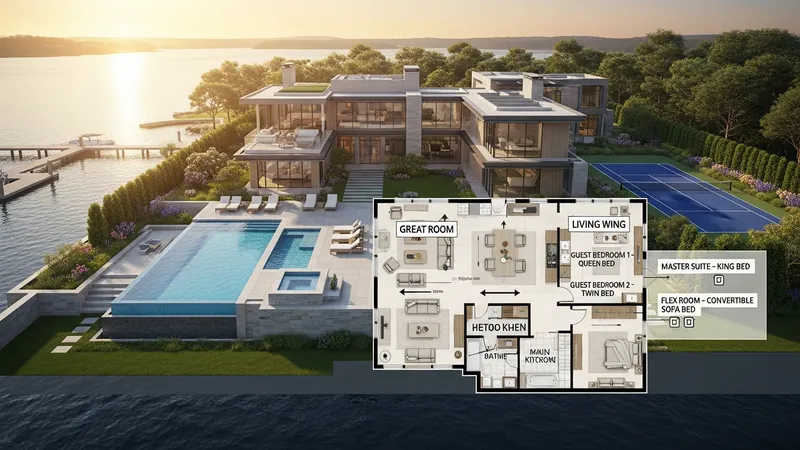
Property size, layout, and amenity considerations for luxury villa rentals
Evaluating property size begins with counting bedrooms and bathrooms and understanding sleeping configurations. Large U.S. villas often list the maximum guest capacity and detail bed types—king, queen, twin, or convertible sofa beds. Consider how living spaces are arranged: open-plan common areas may be preferable for shared activities, while separate living wings can provide privacy for mixed groups. When comparing listings, examine floor plans or photos for circulation, sightlines, and numbers of full versus half bathrooms.
Amenities can significantly influence comfort and expectations. High-end villas in the United States commonly advertise private pools, hot tubs, home theater rooms, fitness spaces, and fully equipped kitchens. Some properties include specialized amenities such as private docks, tennis courts, or wine cellars. Note that amenities often come with operational or safety considerations—pool fencing, gas grill regulations, or appliance instructions—that may be covered in property rules or house manuals.
Infrastructure and support features may vary by type of provider. Professionally managed villas may offer standardized linen service, daily housekeeping options, and staff on call, while owner-direct rentals may provide fewer on-site personnel and rely on local contractors for services. Platform-based listings may display verified amenities and guest reviews that reference reliability. When comparing options, check whether listed amenities are included in the base rate or incur additional fees.
Outdoor space and landscaping are functional components to weigh. Private gardens, terraces, and outdoor kitchens expand usable living area, especially in temperate U.S. climates. Consider maintenance factors such as pool cleaning schedules, pest control, and perimeter security; these often appear in rental rules and can affect guest experience. Assess how outdoor spaces are oriented relative to neighbors for privacy and noise considerations, particularly in communities with proximity restrictions.