
MS Fatigue: Everyday Challenges And Practical Management Strategies

MS-related fatigue refers to a persistent and often overwhelming sense of tiredness experienced by many people with multiple sclerosis in the United States. It differs from ordinary tiredness in that it can occur at rest, may fluctuate day to day, and can substantially affect routine tasks such as dressing, working, or household chores. This article explains common factors that contribute to fatigue, describes approaches people often use to manage energy across daily life, and presents practical examples of strategies and supports that are typically discussed with clinicians and rehabilitation professionals.
Fatigue in MS may be influenced by neurological factors, secondary conditions, medication side effects, sleep quality, and environmental stressors such as heat. In the U.S. context, access to services and adaptive devices can vary by state and by insurance coverage, so management often combines self-management techniques with professional input from neurologists, occupational therapists, and physical therapists. The material below focuses on descriptive, non-prescriptive information about everyday strategies and considerations that people commonly use to address fatigue-related limitations.
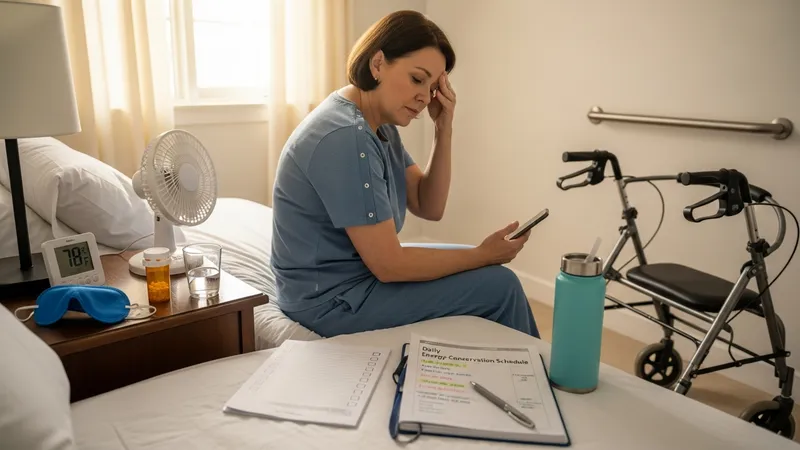
- Pacing and activity planning — structured approaches to scheduling tasks and alternating activity with rest, commonly referenced in U.S. rehabilitation guidance.
- Energy conservation and adaptive equipment — practical tools and home modifications such as reachers, shower chairs, or lightweight kitchen utensils that may reduce exertion during daily tasks.
- Symptom tracking and clinical communication — use of diaries, standardized fatigue measures, and coordinated discussion with U.S.-based healthcare providers to monitor patterns and plan adjustments.
Understanding pacing and activity planning often begins with identifying higher-effort tasks that typically cause the greatest fatigue and then distributing those activities over time. In clinical practice across the United States, occupational therapists may introduce task analysis and graded schedules that can help people evaluate where energy is expended. These approaches typically emphasize substituting or adapting tasks when possible, breaking activities into smaller steps, and scheduling demanding tasks at times of the day when personal energy is relatively higher. Descriptions of such methods are commonly available through U.S. rehabilitation resources and patient education materials.
Energy conservation and adaptive equipment are frequently considered complementary to behavioral strategies. Simple changes—like sitting while preparing meals, using a lightweight vacuum, or installing grab bars—can change the physical demands of routine tasks. Coverage for durable medical equipment and home modifications varies in the United States by insurer and by Medicare or Medicaid rules, so people often explore multiple sources of information to understand likely costs and eligibility. Neutral sources and service organizations often list commonly used devices and typical contexts where they are applied.
Symptom tracking and structured communication with healthcare providers are useful for distinguishing fatigue patterns and potential contributing factors. People may record timing, intensity, associated symptoms (for example, sleep disturbance or medication timing), and environmental triggers such as heat. In the U.S., clinicians sometimes use standardized questionnaires to quantify impact on daily activities; these measures can inform interdisciplinary discussions involving neurologists, rehabilitation clinicians, and primary care providers. Tracking typically supports collaborative planning rather than serving as a standalone solution.
Addressing secondary contributors, such as sleep disorders, mood changes, pain, or medication effects, often plays a role in comprehensive fatigue management. In U.S. clinical settings, these elements are typically evaluated and managed alongside MS-specific considerations. For example, referral to sleep medicine, mental health services, or pharmacy review may be discussed when relevant. Such referrals and interventions may reduce factors that exacerbate fatigue, but responses can vary between individuals; careful monitoring and coordinated care are commonly advised by clinicians in the U.S.
Integrated approaches that combine pacing, equipment use, lifestyle adjustments, and clinical input typically form the basis of everyday management for many people with MS-related fatigue. These strategies may be adapted by individuals according to personal routines, occupational demands, and the availability of local services in the United States. The next sections examine practical components and considerations in more detail.