
Inventory Tracking Systems: How Real-Time Stock Monitoring Works

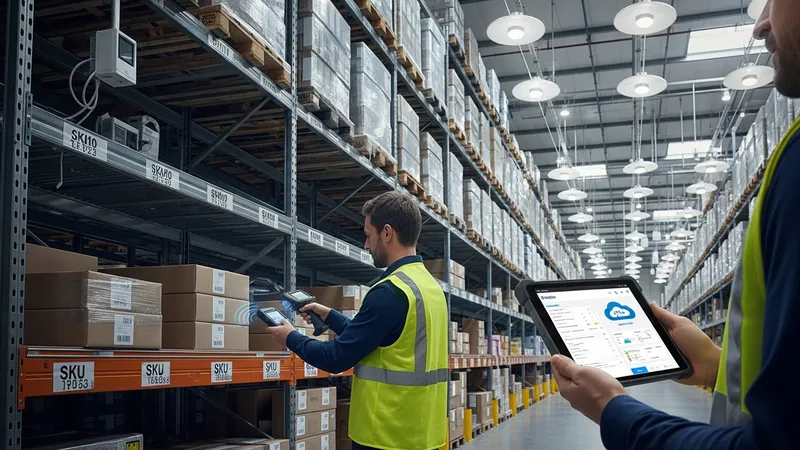
Operational considerations and cost factors in Inventory Tracking Systems
Cost elements for real-time monitoring systems typically include hardware, software subscriptions or licenses, integration services, and ongoing operational expenses such as tag replenishment and device maintenance. In the United States, hardware procurement for scanners and readers often represents an upfront capital expense, while cloud platform subscriptions and support are recurring costs. Teams frequently model total cost of ownership over multiple years when evaluating approaches, accounting for device refresh cycles, tag consumable rates, and staff time for configuration and audits. These modeling activities are used to inform decisions rather than to promise specific financial outcomes.
Implementation timelines and resource allocations often depend on SKU complexity, number of locations, and existing system maturity. U.S. organizations commonly run pilot projects in a single distribution center or a small cluster of stores to assess read performance, workflow impact, and integration complexity. Lessons from pilots often shape inventory-tagging rules, allocation of fixed reader infrastructure, and the degree of automation in receiving and picking processes. Planning for change management and training is frequently cited as a practical consideration to support consistent scanning behavior by staff.
Operational governance practices help sustain data quality: scheduled cycle counts, reconciliation workflows, exception-handling rules, and periodic audits of physical versus system records. In U.S. retail operations, regular shelf audits and point-of-sale reconciliation are used to detect drift between the real-time system view and physical stock levels. Establishing clear escalation paths for discrepancies, defining who owns master data updates, and instrumenting dashboards for inventory health metrics are common practices to maintain long-term reliability.
Scalability and vendor support models are additional considerations. U.S. deployments that scale across many stores or large distribution networks often require vendor SLAs for hardware replacement, software uptime, and integration support. Decisions about in-house versus vendor-led operations typically hinge on internal capabilities and the strategic importance of inventory visibility. These operational and contractual choices are framed as factors to evaluate; they are not presented here as prescriptive directives or guarantees of specific performance outcomes.