
MRPeasy Inventory: Overview Of Inventory Management Capabilities For Manufacturers

MRPeasy Inventory: Warehouse management and order handling
Warehouse management features geared to manufacturing may cover location hierarchies, bin management, and putaway rules informed by item attributes. Systems can map physical storage zones and define preferred receiving and picking locations. In U.S. operations, manufacturers may integrate warehouse activities with parcel and freight carriers—such as UPS or FedEx—to streamline outbound logistics; this integration typically exchanges shipment metadata and tracking numbers rather than replacing carrier processes. Warehouse task lists and picking tickets produced by the system may be organized by production priority or shipping schedules.
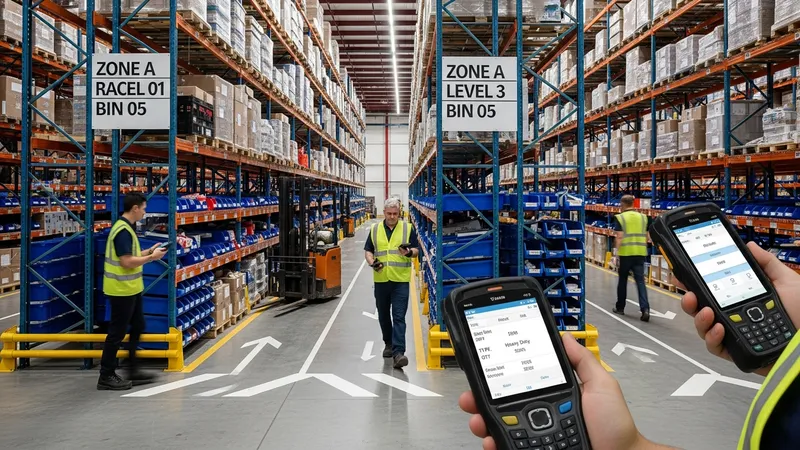
Barcode scanning integration often connects warehouse tasks with inventory transactions, updating item balances and timestamps in near real time. Common U.S. hardware vendors include manufacturers of rugged handheld scanners and mobile computers; these devices may be configured to scan item barcodes, lot/serial labels, and location barcodes to reduce mis-picks. Scanning workflows typically validate item-location pairs during putaway and picking to reduce errors and to record operator actions for traceability.
Order handling for manufacturers usually distinguishes between sales order fulfillment and production order issuance. Sales orders may reserve finished goods for shipping, while production orders allocate raw materials for consumption. Systems may support partial shipping and backorder management so that available inventory can be dispatched while remaining quantities are scheduled for later production. Integration with accounting systems used in the United States can ensure that order invoicing and revenue recognition follow the company’s financial policies.
Interfacing warehouse data with external systems often relies on export formats such as CSV or API-based exchanges. API integration may allow real-time queries of inventory availability for e-commerce storefronts or distributor portals commonly used by U.S. manufacturers. When designing integrations, companies typically consider data ownership, synchronization frequency, and error-handling procedures to maintain consistent records across warehouse, production, and sales systems.