
MS Fatigue: Everyday Challenges And Practical Management Strategies

MS Fatigue: Energy conservation techniques and adaptive equipment
Energy conservation techniques aim to reduce the physical and cognitive demands of daily activities. Examples include simplifying tasks, using momentum instead of force, and choosing clothing or utensils that require less effort. Adaptive equipment commonly used in the United States includes reachers, sock aids, shower seats, and lightweight kitchen tools. Information about equipment options is available from U.S.-based nonprofit resources and rehabilitation suppliers. Coverage and out-of-pocket costs depend on individual insurance plans; Medicare and private insurers may have differing criteria for durable medical equipment reimbursement.
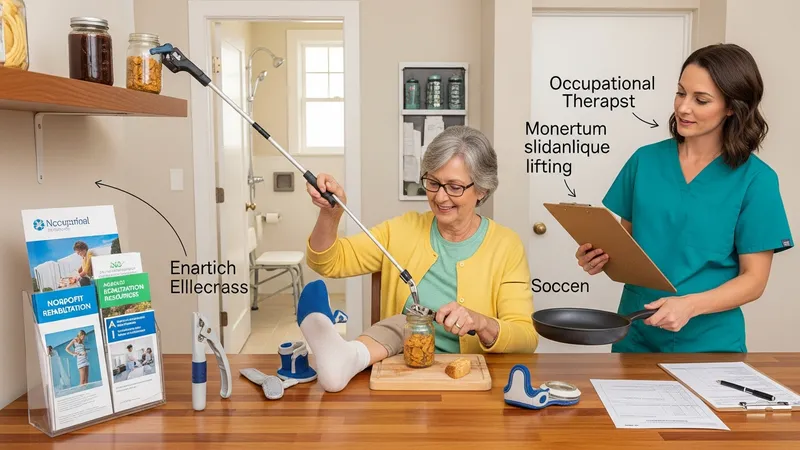
Choosing equipment typically involves an assessment of task demands and personal preferences, often with input from an occupational therapist. In U.S. clinical settings, therapists may trial devices in clinic or suggest home trials to verify usability. People often weigh portability, weight, ease of cleaning, and storage needs, and may consider whether a device addresses multiple tasks. Reviews and comparison guides from neutral U.S. organizations can assist in understanding trade-offs without implying endorsement of specific brands.
Home modifications can also contribute to reduced exertion. Examples include installing lever-style faucet handles, lowering storage shelves, and adding non-slip flooring to reduce effort and fall risk during routine activities. Such modifications may be implemented incrementally and, in the United States, may involve consultations with contractors familiar with accessibility options. Funding sources and eligibility for home modification assistance vary by state and program, so individuals commonly explore multiple local resources to understand potential support.
Safety and maintenance are practical considerations when using adaptive equipment. Regular inspection to confirm secure fittings, replacement of worn components, and instruction on proper use can influence long-term usefulness. Many U.S. rehabilitation clinics provide training on device use, and manufacturer instructions typically address cleaning and care. These considerations are framed as routine precautions rather than absolute guarantees of effectiveness and support safe integration of devices into daily routines.