
MS Fatigue: Everyday Challenges And Practical Management Strategies

MS Fatigue: Lifestyle and environmental considerations in the United States
Lifestyle factors that commonly interact with fatigue include sleep patterns, physical activity levels, nutrition, and stress management. In the United States, clinicians often discuss sleep hygiene and basic activity progression as part of comprehensive care. Regular, moderate activity—tailored to individual ability—may help maintain function, while overly strenuous exercise can increase short-term fatigue. Diet and hydration are also considered potential contributors; clinicians and dietitians may discuss patterns that can support energy but do not present definitive cures. Each element is typically evaluated in the context of an individual’s broader clinical picture.
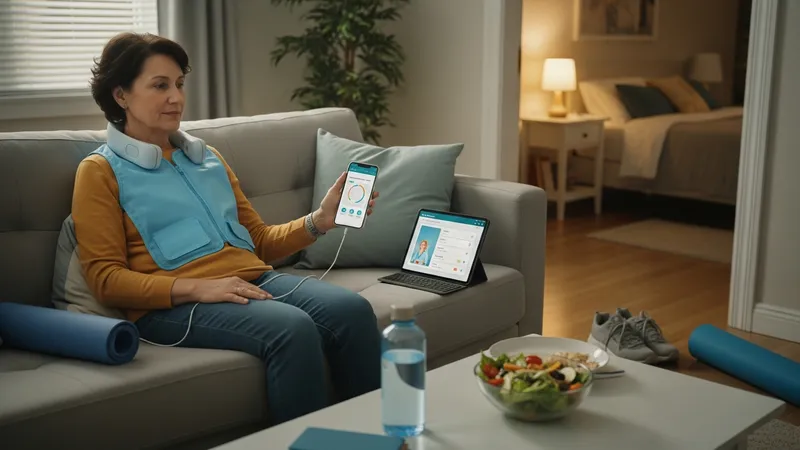
Heat sensitivity is a frequently reported environmental factor among people with MS, and exposure to high temperatures can temporarily worsen symptoms for some individuals. Cooling strategies—such as air conditioning, fans, cooling garments, or planning outdoor activities during cooler times—are practical adaptations that are often discussed in U.S.-based resources. The impact of temperature varies among individuals, so people may use symptom tracking to determine whether and when cooling measures are helpful in daily life.
Stress and mental health can influence perceived fatigue. Access to mental health services in the United States varies by location and insurance coverage, and clinicians often suggest considering psychological factors alongside physical contributors. Mindfulness practices, cognitive strategies, and structured therapy may be offered as supportive options; their effects on fatigue may differ across individuals. Coordination between neurologists, primary care clinicians, and mental health professionals is commonly recommended for a holistic assessment.
Work-related considerations often shape lifestyle decisions, especially in the United States where employment contexts and benefits differ widely. Vocational rehabilitation programs, workplace accommodation policies under the Americans with Disabilities Act, and employer-provided benefits can influence how people balance work demands and fatigue management. Individuals frequently explore scheduling adjustments, assistive technologies, or modified duties through established channels, with guidance from rehabilitation professionals when appropriate.