
MS Fatigue: Everyday Challenges And Practical Management Strategies

MS Fatigue: Symptom tracking, clinical communication, and care coordination
Systematic symptom tracking can clarify patterns and inform conversations with U.S.-based healthcare providers. People often record the timing, severity, and triggers of fatigue episodes, along with associated symptoms such as sleep problems or medication timing. Standardized tools and fatigue scales are sometimes used in clinics to provide quantifiable information about functional impact. These measures may guide interdisciplinary care planning involving neurologists, occupational therapists, and primary care providers, while acknowledging that responses to interventions typically vary across individuals.
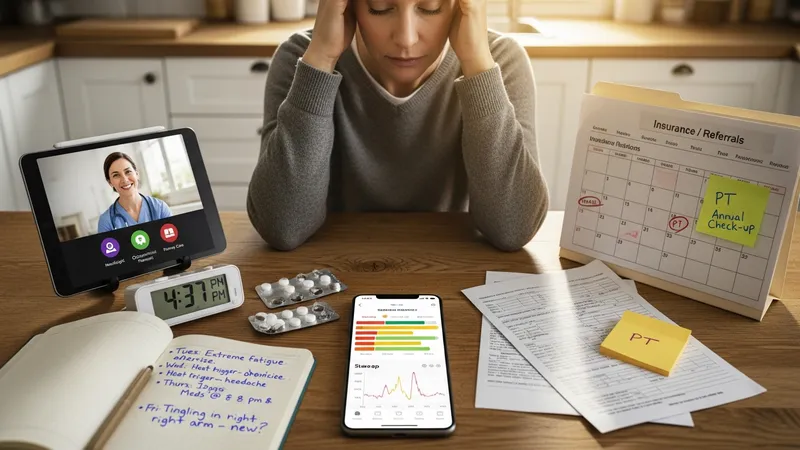
Effective communication with clinicians commonly includes sharing concrete examples of how fatigue affects daily tasks, noting any changes over time, and discussing prior strategies that have been tried. In the United States, clinical teams may consider referrals to occupational therapy, physical therapy, sleep medicine, or mental health services when relevant. Insurance coverage and provider availability differ regionally, so care coordination often involves exploring local resources and clarifying what services are accessible under a given plan.
Documentation can be useful when discussing workplace adjustments or benefit applications in the U.S. context. Objective records—such as symptom logs or results from standardized questionnaires—may support conversations with employers, rehabilitation counselors, or disability determination processes. People typically consult clinicians and legal or vocational advisors to understand documentation requirements and to frame information in ways that reflect functional limitations rather than diagnoses alone.
Ongoing monitoring and iterative adjustments are common features of managing MS-related fatigue. As circumstances change—such as new treatments, shifts in work demands, or changes in living arrangements—plans for pacing, equipment use, and clinical referrals may be revisited. Collaboration among the person with MS, clinicians, and rehabilitation professionals in the United States often focuses on tailoring strategies to daily realities and measuring outcomes over time rather than promising specific results.