
Phoenix Air Conditioning Service: Key Factors To Consider In The Desert Climate

Seasonal servicing schedules and refrigerant handling considerations in desert settings
Seasonal servicing commonly emphasizes spring inspections ahead of peak cooling season to verify system readiness. Typical activities may include condenser coil cleaning, verification of thermostat calibration, condensate drain inspection, electrical connection checks, and basic refrigerant pressure measurement. Because refrigerant handling and recovery in the United States are regulated, work involving refrigerant requires technicians certified under EPA Section 608 for controlled substances. The Section 608 program and related EPA resources provide procedural and certification information relevant to refrigerant work.
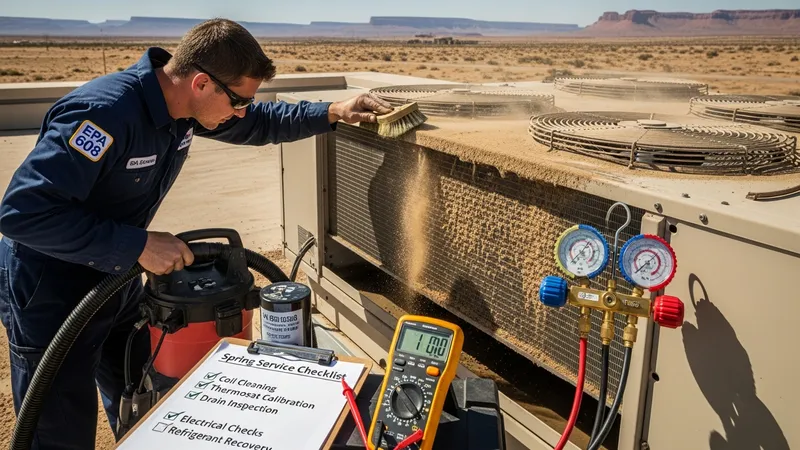
Routine seasonal checks can reveal wear patterns specific to desert operation, such as accelerated compressor start-capacitor stress or coil fouling from windblown particulates. Condensate management is often an overlooked seasonal item: clogged drains can lead to secondary moisture problems when systems cycle heavily. Service schedules that consider both mechanical components and drainage paths may reduce the likelihood of operational interruptions during the hottest months, though results vary by system age and installation details.
Refrigerant types and phase-outs have been evolving in the U.S. regulatory context, which can affect long-term service planning. Technicians and building managers often document existing refrigerant types and service histories so that future maintenance or retrofits can be evaluated in light of regulatory changes. Because regulatory frameworks influence available refrigerants and repair practices, referencing authoritative sources such as the EPA can provide context for compliance and equipment lifecycle considerations without implying specific choices for every system.
Scheduling and documentation practices commonly recommended in technical guidance include recording runtime hours, noting measured pressures and temperatures, and logging component replacements. These records may help identify trends, such as gradual loss of capacity or increasing electrical draw, which often precede failures. In desert climates, where systems often operate for extended periods, such trend information can inform maintenance frequency planning and component-level attention as part of a neutral, evidence-based approach to service.