
Phoenix Air Conditioning Service: Key Factors To Consider In The Desert Climate

Air quality, filtration, and dust-management aspects for desert HVAC systems
Desert environments typically present higher concentrations of coarse dust and airborne particulates that can accumulate on filters, coils, and duct surfaces. Filter efficiency selection is often a balance between particulate capture and acceptable pressure drop for the blower. In U.S. residential and light-commercial settings, filters with MERV ratings commonly in the single digits to low teens are widely used, and in dusty areas filter replacement intervals may shorten to monthly or bi-monthly depending on exposure and occupancy. Attention to return-air pathways and sealing practices can reduce dust intake and prolong component cleanliness.
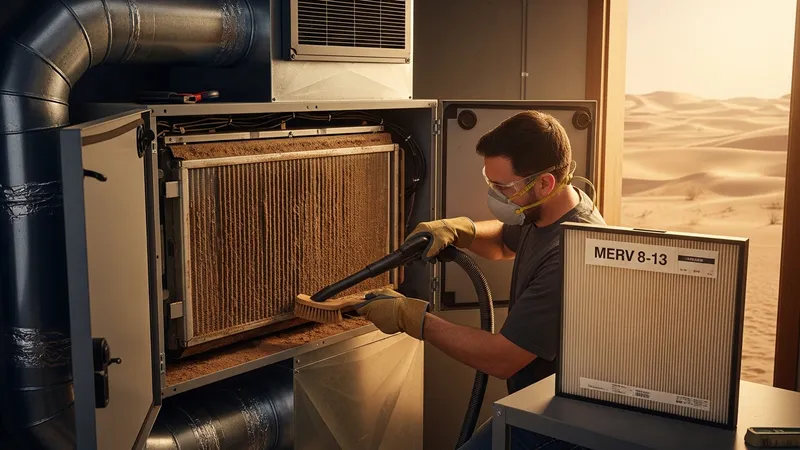
Duct cleaning and sealing can reduce recirculated dust and improve delivered airflow, though outcomes vary by system condition. Duct leakage testing or visual inspection may reveal bypasses or collection points where dust accumulates. In some cases, localized cleaning of supply or return plenums and coils may restore heat-exchange performance more quickly than system-wide interventions. These approaches are typically described as possible measures rather than guaranteed solutions, and their applicability often depends on the extent of dust infiltration and system design.
Indoor air quality considerations may also incorporate ventilation and humidity control strategies adapted to arid climates. Mechanical ventilation rates and heat-recovery approaches can affect indoor particle concentrations and energy use. The U.S. Environmental Protection Agency provides general guidance on indoor air quality that can inform decisions about filtration and ventilation without prescribing a specific action for every building. In desert climates, coordination between filtration upgrades and airflow capacity checks can help ensure that enhanced filters do not degrade cooling performance.
Practical monitoring practices often include visual coil inspections, pressure drop tracking across filters, and periodic particle sampling in sensitive indoor environments such as healthcare or laboratory spaces. These monitoring steps can indicate when more intensive cleaning or filter changes are warranted. In typical residential contexts, occupants or managers may rely on a combination of scheduled checks and observations of indoor comfort and system cycling to determine when service is needed, recognizing that dust load and occupancy patterns can shift maintenance needs over time.