
Voice AI Support: How Conversational Assistants Enhance Customer Service

Regulatory, privacy, and deployment considerations for Voice AI in Australia
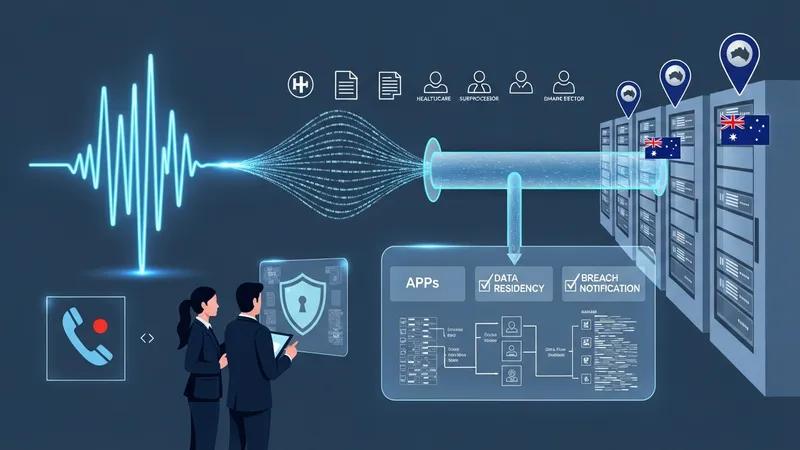
Regulatory and privacy frameworks in Australia shape how voice AI is designed and deployed. The Office of the Australian Information Commissioner publishes guidance on handling personal information, including recorded conversations, and Australian organisations commonly align retention and access policies with the Australian Privacy Principles (APPs). Telecommunications and consumer protection rules administered by the Australian Communications and Media Authority may also affect notification and disclosure practices for recorded or automated calls. Organisations typically document data flows and controls to demonstrate alignment with these frameworks.
Data residency and security are common considerations; some Australian organisations prefer local hosting or encryption controls that ensure transcripts and call recordings are stored under Australian jurisdiction. Vendor contracts often specify data handling practices, subprocessors, and breach notification obligations. Entities in regulated sectors such as financial services or healthcare may impose additional controls and typically consult legal and compliance teams to map voice AI processing against sector-specific obligations in Australia.
Bias, transparency, and accessibility considerations are part of responsible deployment. Australian organisations often assess whether models perform fairly across accent groups and demographic segments, and they may document testing protocols and remediation steps. Accessibility obligations under Australian law suggest systems should provide alternatives for callers who cannot use voice channels, such as web chat or assisted agent routing. Transparency about the use of automated handling—clear disclosure at call start and options to speak to an agent—may be included in scripts and compliance materials.
Rolling out voice AI in Australia typically follows staged pilots, measurement, and refinement. Pilot phases often define a small set of intents, measure recognition and completion rates, and gather agent feedback for refinement. Contracts with vendors usually include provisions for ongoing support, model updates, and local technical points of contact. Careful planning of retention, security, and compliance measures commonly helps organisations manage operational risk while exploring the potential efficiencies and service improvements voice AI may enable in Australian customer support contexts.