
Voice AI Support: How Conversational Technology Enhances Customer Service

Analytics, integration, and deployment considerations for voice AI support
Analytics derived from voice AI systems can inform quality assurance, training, and product feedback loops in US organizations. Common analytics outputs include intent frequency, average handling time, sentiment trends, and topics that lead to escalation. These outputs are often forwarded to workforce management and business intelligence platforms to align staffing with demand and to surface recurring issues. When integrating analytics, teams typically normalize data formats to combine bot interactions and agent-handled call records for comprehensive reporting.
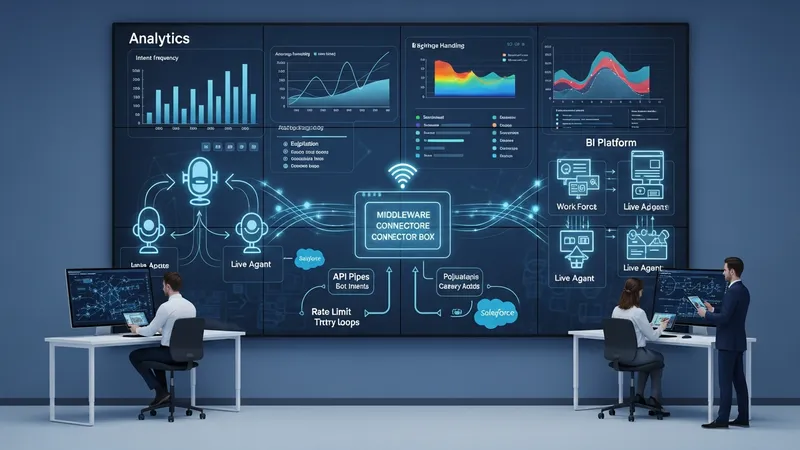
System integration is a central deployment consideration. Voice AI modules are typically integrated with CRM systems such as Salesforce or ticketing platforms used by US service teams so that conversational context is available to agents. Middleware or connector layers often translate bot intents into CRM actions or populate case fields automatically. Deployment teams commonly evaluate API rate limits, event delivery guarantees, and retry strategies to maintain consistent integration behavior under load.
Security, data governance, and compliance influence deployment choices in the United States. Controls such as access logging, encryption of audio at rest and in transit, and role-based access to transcripts are commonly implemented. Deployment architectures may be selected to meet data residency or contractual requirements; for example, using cloud regions that comply with an organization’s data handling policies. Privacy impact assessments and vendor due diligence are typical preparatory steps before production rollout.
Operationalizing voice AI often follows an iterative deployment path that begins with limited pilots and expands based on measured outcomes. Insider considerations include maintaining a representative test corpus of US caller audio for regression testing, establishing procedures for human review of flagged interactions, and scheduling regular model evaluation cycles. These practices help maintain alignment between conversational models and evolving customer expectations while managing technical and organizational risks.