
Welding Equipment Basics: Essential Tools And Their Functions Explained

Clamping, Gas Delivery, and Accessories Supporting Welding Operations
Clamps, grounding connections, and workholding fixtures support accuracy, fit-up, and electrical continuity in welding tasks. Magnetic clamps, C-clamps, pipe tongs, and dedicated jigs are often used in U.S. fabrication shops to hold parts in position for tack welding and final passes. Ground connections must provide a low-resistance return path for the welding current and are commonly inspected for corrosion or loose contact prior to work. Proper workholding can reduce distortion and rework, particularly when combined with preheat or controlled interpass temperatures for thicker sections.
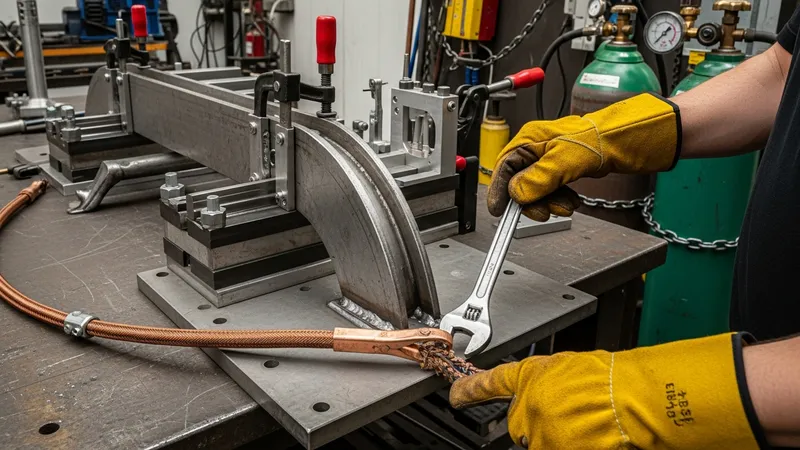
Gas regulators, hoses, and fittings are part of the gas delivery system and must be compatible with cylinder standards used within the United States. Color coding and valve standards may assist in identification, and regulators are maintained per manufacturer recommendations and inspected for leaks before use. Hose routing, protection from hot work, and secure cylinder storage per OSHA guidelines are routine considerations in U.S. shops and construction sites where compressed gases are present.
Accessories such as grinders, chipping hammers, wire brushes, and bench tools are used for joint preparation and weld cleanup. Abrasive wheel users in the United States commonly follow OSHA requirements for guarding and eye protection during use. Tools for measuring gap, alignment, and fillet weld size—such as welding gauges and feeler gauges—are frequently used to confirm joint dimensions before and after welding, supporting quality control and adherence to fabrication specifications.
Fume extraction, local ventilation, and shop layout may influence accessory selection and workflow. Many U.S. facilities incorporate movable extraction arms, downdraft tables, or fixed hoods to address airborne contaminants near welding sources. Planning for electrical supply, tool storage, safe cylinder placement, and maintenance access commonly reduces operational interruptions and supports consistent, safety-focused workflow in fabrication and field welding contexts.