
Welding Equipment Basics: Essential Tools And Their Functions Explained

Personal Protective Equipment and Safety Considerations in U.S. Welding
Personal protective equipment for welding in the United States typically addresses eye and face protection, respiratory protection, hand and body coverage, and hearing protection where applicable. Welding helmets with auto-darkening filters are frequently specified with shade ranges appropriate to the process and amperage; shade selection often follows consensus standards and OSHA guidance for eye protection (for example, OSHA 1910.133). Flame-resistant clothing, leather gloves, and proper footwear are commonly used to reduce burn and spark hazards. Employers and operators often consult the American Welding Society and OSHA for applicable recommendations and compliance expectations rather than relying on a single prescriptive item.
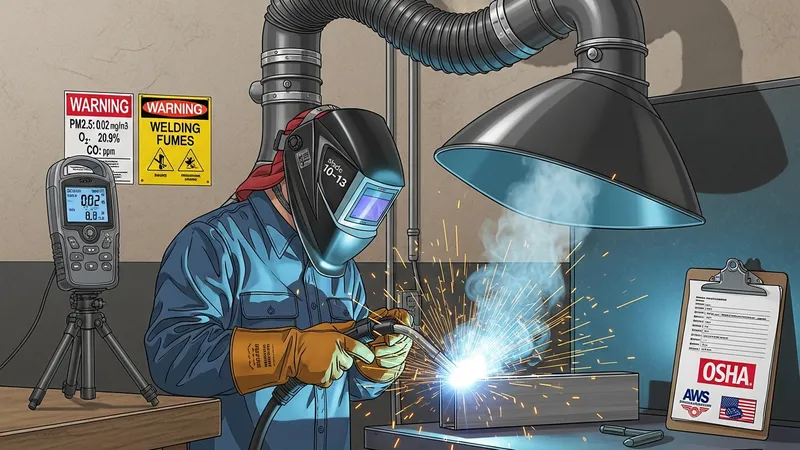
Respiratory protection considerations are typically guided by workplace air monitoring and applicable exposure limits. In the United States, employers may refer to OSHA permissible exposure limits and NIOSH recommendations when evaluating fume hazards from processes such as welding stainless steel, which can generate metal fume constituents that are addressed in industrial hygiene surveys. When airborne concentrations may exceed guidance levels, respirators certified to the National Institute for Occupational Safety and Health (NIOSH) standards are often considered as part of a comprehensive control strategy that prioritizes ventilation and extraction.
Workplace ventilation and local fume extraction systems are frequently integrated into shop layouts to manage airborne contaminants. Portable fume extractors and fixed exhaust hoods are commonly used in fabrication shops in the United States to capture fumes at the source. Compliance with local building codes, electrical requirements for extraction equipment, and recommendations from consensus standards organizations are regular considerations when planning or upgrading ventilation for welding operations.
Training and documented safe work procedures are important elements of safety programs in U.S. welding operations. OSHA outreach materials, AWS training courses, and employer-led programs often cover hazard recognition, PPE selection, hot work permits, and safe cylinder handling. These components typically coexist with equipment selection and maintenance schedules to create an operational framework that reduces exposures and supports consistent practice across teams and job sites.